Thinking about trading a longer NYC commute for a home that gives you more space, more character, or more convenience? Hoboken stands out because it offers direct access to Manhattan while giving you a real choice in housing style, from amenity-rich condos to historic brownstones and smaller walk-ups. If you are trying to decide what fits your routine, budget, and long-term plans, understanding how these property types work in Hoboken can save you from expensive surprises. Let’s dive in.
Why Hoboken Works for NYC Commuters
Hoboken’s appeal starts with its size and layout. The city is compact, walkable, and organized around strong transit access, which is a big reason so many NYC commuters keep it on their shortlist. Its housing stock also gives you more than one path, whether you want a newer condo, a historic brownstone, or something in between.
For commuting, flexibility is the real advantage. Hoboken has direct PATH service to both World Trade Center and 33rd Street, which supports access to Lower Manhattan and Midtown. Hoboken Terminal also connects commuters to NJ TRANSIT rail, ferry, bus, and light rail options.
That mix matters in daily life. If one route is delayed or your workday changes, you are not relying on a single transit option. For many buyers, that commute redundancy is one of Hoboken’s biggest strengths.
Hoboken Condos: Convenience and Shared Costs
If you want a more turnkey ownership experience, condos often rise to the top. In Hoboken, condo towers can offer features that simplify busy weekday living, especially if you want elevators, shared amenities, and less direct responsibility for day-to-day building maintenance.
That convenience comes with structure. Under New Jersey condo law, common elements can include roofs, basements, lobbies, hallways, elevators, entrances, parking areas, driveways, yards, and central services, along with other items identified in the master deed. In plain terms, your monthly dues are helping support a larger shared system.
This is why condo buyers should look beyond finishes and floor plans. A sleek lobby and polished gym can be appealing, but the real ownership story often sits in the budget, reserve funds, and rules of the association. New Jersey law also allows associations to levy assessments for common expenses and special assessments when unforeseen conditions create an immediate funding need.
For a commuter, condos can be a strong fit when you value predictable routines. If your goal is to lock the door, catch PATH, and come home without worrying about exterior upkeep, a well-run condo building may check the right boxes.
What to Review in a Hoboken Condo
Before you commit, focus on the building as much as the unit.
- Monthly HOA dues
- Reserve fund position
- Recent or pending special assessments
- Parking rights or garage access
- Building rules that affect daily living
- Shared systems covered by the association
A lower monthly fee is not always the better deal. In some cases, it can mean the building is spending less on reserves or delaying larger maintenance needs.
Hoboken Brownstones: Character and Control
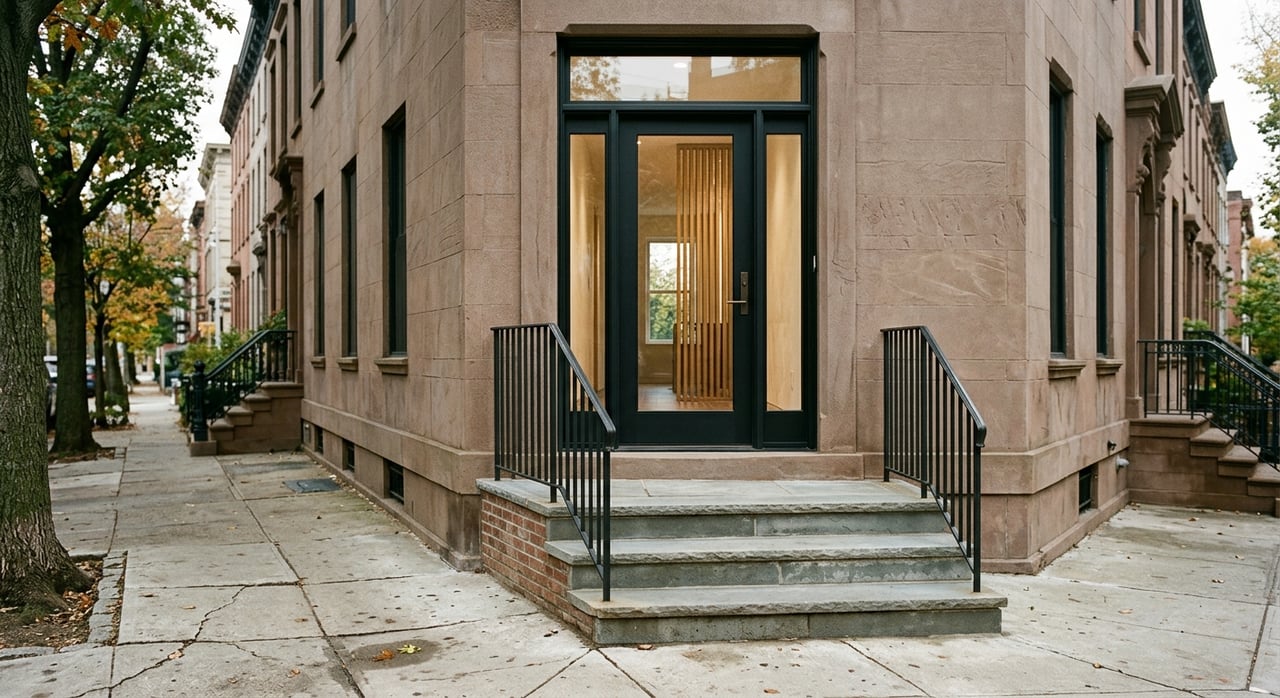
If condos are about convenience, brownstones are often about character. Hoboken’s preserved brownstone fabric is a major part of the city’s identity, and for many buyers, that historic feel is exactly the point.
Owning a brownstone or rowhouse can also mean more direct control over your property. That can be appealing if you want classic architecture, a more private ownership experience, or a home that feels distinct from a larger shared building.
At the same time, buyer expectations need to be realistic. In Hoboken’s locally designated historic districts and on landmarks, the Historic Preservation Commission reviews exterior additions, renovations, and alterations visible to the public. The city also notes that a zoning permit may be required even when a building permit is not.
That means exterior changes are not always as flexible as buyers expect. If you are considering window replacement, façade work, stoop repairs, or an addition, you will want to confirm the approval path before starting work.
Brownstone Ownership Questions to Ask
Historic charm can be a real asset, but so is clarity.
- Is the home in a locally designated historic district?
- Have exterior changes already been approved or completed?
- What maintenance items may need attention soon?
- Are there visible façade, window, or stoop issues?
- What permits or reviews may apply to future work?
For the right buyer, a brownstone can offer a very compelling mix of charm and commuter convenience. You just want to go in understanding the maintenance and approval side of ownership.
Smaller Walk-Ups: A Middle Ground
Not every buyer wants a tower or a full brownstone responsibility. Smaller walk-up buildings often land in the middle, giving you a more modest building footprint while still offering some shared ownership structure.
It is important not to assume that smaller means simple. Under New Jersey condo law, common elements in smaller buildings can still include roofs, basements, halls, entrances, parking areas, elevators where applicable, and other shared systems. That means shared expenses and building responsibilities can still be significant.
For some commuters, walk-ups offer a practical balance. You may get a lower-key building environment than a large tower, while still avoiding the full exterior responsibility of a single brownstone-style property.
Commute Logistics Matter More Than You Think
In Hoboken, the home itself is only part of the equation. Your walk to transit, your backup route, and your parking setup can shape daily life just as much as square footage or finishes.
Hoboken Terminal is the city’s transit anchor. It is served by multiple NJ TRANSIT commuter rail lines and connects to PATH, ferry, bus, and light rail service. Ferry routes from Hoboken also provide weekday and seven-day access to Midtown via W. 39th Street, depending on the route.
This gives buyers several ways to think about location. Some will prioritize being as close to the terminal as possible. Others may be comfortable with a slightly longer walk if the home offers better layout, value, or a quieter day-to-day setup.
The city also supports local mobility through the Hop shuttle, and it maintains municipal garages. But parking should never be treated as automatic.
Parking in Hoboken: Treat It as Its Own Decision
The city’s parking guidance is clear that there is not enough curb space for everyone who chooses to drive. That makes parking a separate diligence item, not a nice extra to sort out later.
If you drive occasionally rather than daily, ask very specific questions:
- Does the unit include deeded parking?
- Is there reliable access to a garage?
- Is a resident-permit option realistic for your situation?
- Will your routine work if street parking is tight?
For many households, Hoboken works best when you are comfortable with car-light living. If you need frequent, easy car access, parking details can materially affect how livable a property feels.
Flood Risk and Resale Value
For Hoboken buyers, flood resilience is not a side note. It is part of the ownership and resale conversation, especially near the waterfront or in lower-lying areas.
The city describes ongoing coastal and rainfall flood-mitigation work, and it has continued investing in waterfront reconstruction and other resilience efforts. Those are positive signals, but they do not replace property-level diligence.
If you are comparing condos, brownstones, or walk-ups, pay attention to how the building or home handles flood exposure. That includes flood history, insurance costs, and how building systems are protected.
A beautiful unit near transit can still become a harder resale if the ownership story around insurance, maintenance, or flood risk feels uncertain. Buyers tend to respond well to homes that combine commuting ease with clear long-term practicality.
What Smart Buyers Review First
When you look at Hoboken homes through a commuter lens, a few diligence points tend to matter more than the cosmetic details. These items help you compare properties more strategically.
- Transit access and backup commute options
- HOA budget and reserve strength
- Special assessment history
- Historic district or landmark status
- Parking arrangement
- Flood and insurance exposure
- Monthly carrying costs relative to convenience
This is where good advisory guidance matters. Two homes can look equally appealing online, but once you compare the commute, shared costs, maintenance responsibilities, and resale profile, the better choice often becomes much clearer.
Choosing Between Convenience, Charm, and Cost
Most Hoboken buyers are balancing three things: convenience, character, and carrying cost. Newer condos may feel easier day to day, but they can come with higher monthly dues and more association oversight. Brownstones may offer more charm and autonomy, but they can require more hands-on planning around maintenance and approvals.
Smaller walk-ups often sit in the middle. They can be a smart option if you want a simpler building experience without stepping into a larger tower environment. The right fit depends on how you live, how often you commute, and what kind of ownership responsibilities you are comfortable taking on.
For NYC commuters, Hoboken remains compelling because the commute is unusually flexible for a New Jersey waterfront city. Once you understand how each housing type affects your daily routine and long-term costs, you can buy with much more confidence.
If you want help comparing Hoboken condos, brownstones, and commuter-friendly resale opportunities across New Jersey, connect with Ten Hoeve Advisory.
FAQs
What makes Hoboken attractive for NYC commuters?
- Hoboken offers direct PATH service to World Trade Center and 33rd Street, plus NJ TRANSIT rail, ferry, bus, and light rail connections centered around Hoboken Terminal.
What should you review before buying a Hoboken condo?
- You should review HOA dues, reserve funds, recent assessment history, parking rights, building rules, and the shared systems the association is responsible for maintaining.
What should you know before buying a Hoboken brownstone?
- You should confirm whether the property is in a locally designated historic district or on a landmark site, and check what approvals may be required for exterior work like windows, façade repairs, stoops, or additions.
Is parking easy to find with a Hoboken home purchase?
- Parking should not be assumed, since the city says curb space is limited, so you should verify whether a property includes deeded parking, garage access, or a realistic resident-permit option.
Why does flood risk matter when buying in Hoboken?
- Flood risk can affect insurance costs, building planning, and future resale, especially for properties near the waterfront or in lower-lying areas.
Are smaller Hoboken walk-up buildings easier to own than condos?
- Not always, because even smaller condo buildings can still have shared common elements and shared expenses for items like roofs, halls, basements, entrances, parking, and other building systems.