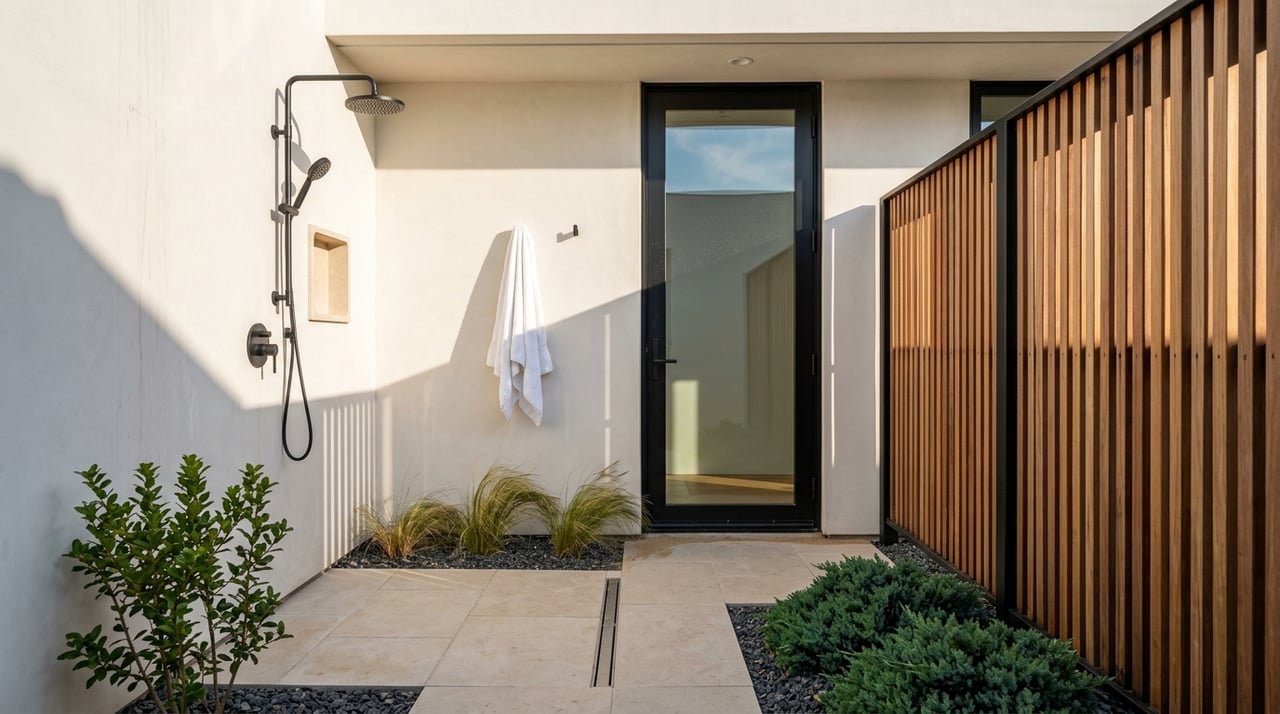
Dreaming about a place where the beach is part of your daily routine? Owning a beach house in Seaside Park can absolutely deliver that shore lifestyle, but it also comes with very real decisions about flood risk, upkeep, taxes, and rental rules. If you are thinking about buying here for personal use, seasonal enjoyment, or investment potential, this guide will help you look at the opportunity with clear eyes and a smart plan. Let’s dive in.
Why Seaside Park Stands Out
Seaside Park sits on the Barnegat Peninsula between the Atlantic Ocean and Barnegat Bay, which gives you access to both ocean and bay experiences in one small coastal borough. The borough’s public-access plan highlights ocean and bay beaches, walkways, lifeguarded beaches, boat ramps, and a municipal marina.
That setting is a big part of the appeal. You are not just buying a house near the shore. You are buying into a location where beach days, boating access, fishing, kayaking, and waterfront views can all shape how you use the property.
There are also a few practical details worth knowing early. Beach badges are required for all beaches, including bay beaches, and dogs are prohibited on the beach and boardwalk.
What Homes Look Like Here
Seaside Park offers a mix of older charm and newer coastal construction. A recent local housing guide describes the housing stock as including small beach bungalows and Cape Cod homes, while newer homes often feature classic coastal architecture, multi-story balconies, and ground-floor garages.
The borough’s master plan says the housing stock is in sound condition. It also notes there are no mobile homes, and local development rules call for compatible architectural and landscaping themes that consider waterfront views, roof lines, porches, and exterior details.
For you as a buyer, that usually means the home search is less about one standard housing type and more about choosing the right balance of character, elevation, layout, and exposure. In a beach market, those details affect both lifestyle and long-term ownership costs.
Choosing the Right Location
Where you buy in Seaside Park matters just as much as what you buy. Oceanfront, bayfront, and inland streets all come with different trade-offs.
Oceanfront and Ocean-Block Homes
If your top priority is quick access to the sand, oceanfront and ocean-block homes are hard to beat. These locations often carry the strongest beach-house premium because they put the shoreline closest to your front door.
That convenience comes with more direct exposure to wind, salt air, storms, and dune-related conditions. The borough also notes that the entire town is in a Special Flood Hazard Area except for a few filled or bulkheaded blocks, so flood planning is especially important in these locations.
Bayfront and Bay-Block Homes
Bay-side homes can appeal to buyers who want calmer-water access and a different kind of shore experience. The borough offers bay beaches, a kayak launch, a boat ramp, and a municipal marina with 188 slips that operates from April 1 to October 31.
These homes can be especially attractive if you care about boating, fishing, or kayaking. Still, flood concerns do not disappear on the bay side. The borough warns that heavy rain combined with high tides or wind can cause serious flood damage because stormwater drains to the bayfront.
Off-Beach Streets
Homes farther from the immediate beachfront can offer easier day-to-day use and somewhat less direct coastal exposure. For some buyers, that can mean a simpler ownership experience and more flexibility in how the property functions.
That said, this is still a barrier-peninsula town. The borough notes that flooding can occur even outside mapped flood-hazard areas, so being off the beach does not mean flood risk is off the table.
Flood Risk Is a Core Buying Decision
In Seaside Park, flood insurance is not a side topic. It is one of the main factors that should shape your budget, property selection, and renovation plans.
The borough states that the whole town is in a flood hazard area except for a few filled or bulkheaded sections. It also makes clear that standard homeowners insurance does not cover flood loss.
If you are financing the purchase, this matters even more. FEMA says lenders on federally backed mortgages must require flood insurance for buildings in a Special Flood Hazard Area.
Seaside Park does participate in the NFIP Community Rating System at class 7, which the borough says produces a 15% premium reduction. That can help, but it does not replace the need to price flood insurance before you commit to a property.
What to Verify Before You Buy
Before you move forward on a beach house, make sure you confirm the basics instead of estimating them.
- Confirm the exact flood zone
- Ask whether an elevation certificate is available
- Get a flood-insurance quote early
- Review any prior elevation or flood-mitigation work
- Understand whether planned updates may trigger additional permitting requirements
The borough also notes that more than 55 homes in Seaside Park were raised above flood level in the previous five years. That is a useful reminder that elevation and compliance are active parts of ownership here, not rare exceptions.
Understand the Real Carrying Costs
Beach-house ownership is about more than the purchase price. In Seaside Park, your ongoing budget should account for taxes, insurance, maintenance, and location-specific operating costs.
The borough’s 2026 introduced budget shows a local municipal tax rate of 0.702, up from 0.677 in 2025. Its 2024 audit reported a total property-tax rate of 1.636 across municipal, county, and school levies.
Tax bills are issued annually but paid quarterly. The borough also charges 8% interest on the first $1,500 of delinquency and 18% on balances above that, so staying current matters.
Beach access has direct costs too. In 2026, seasonal beach badges cost $65 before June 15 and $70 after, while weekly badges cost $40 and daily badges cost $13.
Maintenance Is Part of the Lifestyle
Every shore home needs upkeep, but homes closer to the ocean usually need even more attention. Salt air and coastal conditions can wear down materials faster than many buyers expect.
FEMA’s coastal corrosion guidance says homes close to the ocean can experience much higher corrosion rates and that periodic maintenance helps extend the life of original materials. That is especially relevant for fasteners, railings, HVAC equipment, and roof hardware.
If you are comparing two homes at similar price points, maintenance exposure should be part of your thinking. A house with stronger materials, better elevation, and a more recent systems update may offer better long-term value than a house that only wins on proximity.
Smart Maintenance Planning
A practical ownership plan usually includes:
- Budgeting for routine exterior maintenance
- Using corrosion-resistant materials when replacing components
- Watching roof hardware, railings, and mechanical equipment closely
- Planning ahead for weather-related wear
- Checking permit requirements before making modifications
The borough says local permits are required for most modifications. It also states that an elevation certificate is needed before a certificate of occupancy for new or substantially improved structures.
Rental Potential Comes With Rules
Some buyers look at Seaside Park as both a personal getaway and a possible income property. That can work, but you need to understand the borough’s rental rules before you build your numbers.
Recent Realtor.com data through March 2026 show Seaside Park with a median listing price of $1.2605M, a median monthly rent of $4,700, 27 homes for sale, 36 rentals, and a median 60 days on market. Realtor.com also labeled the town a buyer’s market and reported homes sold for about 3.74% below asking on average.
Those numbers can help frame the opportunity, but local compliance matters just as much as market demand. In Seaside Park, every dwelling unit that is leased or rented needs a rental permit.
Seaside Park Rental Permit Basics
The borough’s code requires:
- A summer seasonal permit for rentals from April 15 to October 15
- An annual permit for all other rentals
- An inspection before permit approval
- Visible posting of the permit
- Current taxes and water/sewer payments for permit eligibility
The code also sets fines of $500 to $2,000 per violation. If rental income is part of your plan, permit timing and compliance should be part of your due diligence from day one.
How Seaside Park Compares Nearby
It helps to compare Seaside Park with nearby Ocean County shore towns before you buy. The right choice is not always the town with the lowest entry price or the highest rent.
Recent market snapshots show Seaside Park below Lavallette’s $1.40M median listing price and Point Pleasant Beach’s $1.3245M, but above Seaside Heights’ $849K. On rent, Seaside Park’s $4,700 median sits above Seaside Heights’ $2,650 and below Point Pleasant Beach’s $5,275, while Lavallette is close at $4,625.
That tells you Seaside Park occupies a middle position within this group. It can offer strong shore appeal and rental relevance, but your ideal fit depends on how you plan to use the property, how much risk you want to manage, and what kind of ownership experience you want.
Best Approach for Buyers
A beach house in Seaside Park can be a fantastic purchase if you approach it strategically. The key is to treat this as both a lifestyle decision and a financial decision.
That means looking beyond curb appeal and focusing on the full ownership picture. Flood zone, elevation, maintenance needs, permit rules, carrying costs, and location trade-offs all deserve careful review before you make an offer.
A thoughtful buying process can help you avoid expensive surprises and choose a property that actually fits your goals. Whether you want a second home, a future resale play, or a property with seasonal rental potential, the smartest move is to evaluate the home in context, not in isolation.
If you are weighing a purchase along the Jersey Shore, the right guidance can make the process much clearer. Ten Hoeve Advisory can help you evaluate Seaside Park opportunities with a strategic, local, and detail-driven approach.
FAQs
What should you know about flood risk in Seaside Park?
- The borough says nearly the entire town is in a flood hazard area, standard homeowners insurance does not cover flood loss, and buyers should confirm flood zone details, review elevation information, and price flood insurance early.
What types of homes can you expect in Seaside Park?
- Buyers will generally find a mix of small beach bungalows, Cape Cod homes, and newer coastal-style construction with features like balconies and ground-floor garages.
What are the rental rules for a beach house in Seaside Park?
- Every leased or rented dwelling unit needs a permit, with seasonal rentals from April 15 to October 15 requiring a summer seasonal permit and other rentals requiring an annual permit.
What does beach access cost in Seaside Park?
- In 2026, seasonal beach badges cost $65 before June 15 and $70 after, while weekly badges cost $40 and daily badges cost $13, and badges are required for all beaches including bay beaches.
What makes bay-side homes different from ocean-side homes in Seaside Park?
- Bay-side homes may offer access to kayaking, boating, fishing, and marina use with somewhat different exposure patterns, while ocean-side homes offer the shortest walk to the beach but often face stronger wind, salt-air, and storm exposure.