By Ten Hoeve Advisory
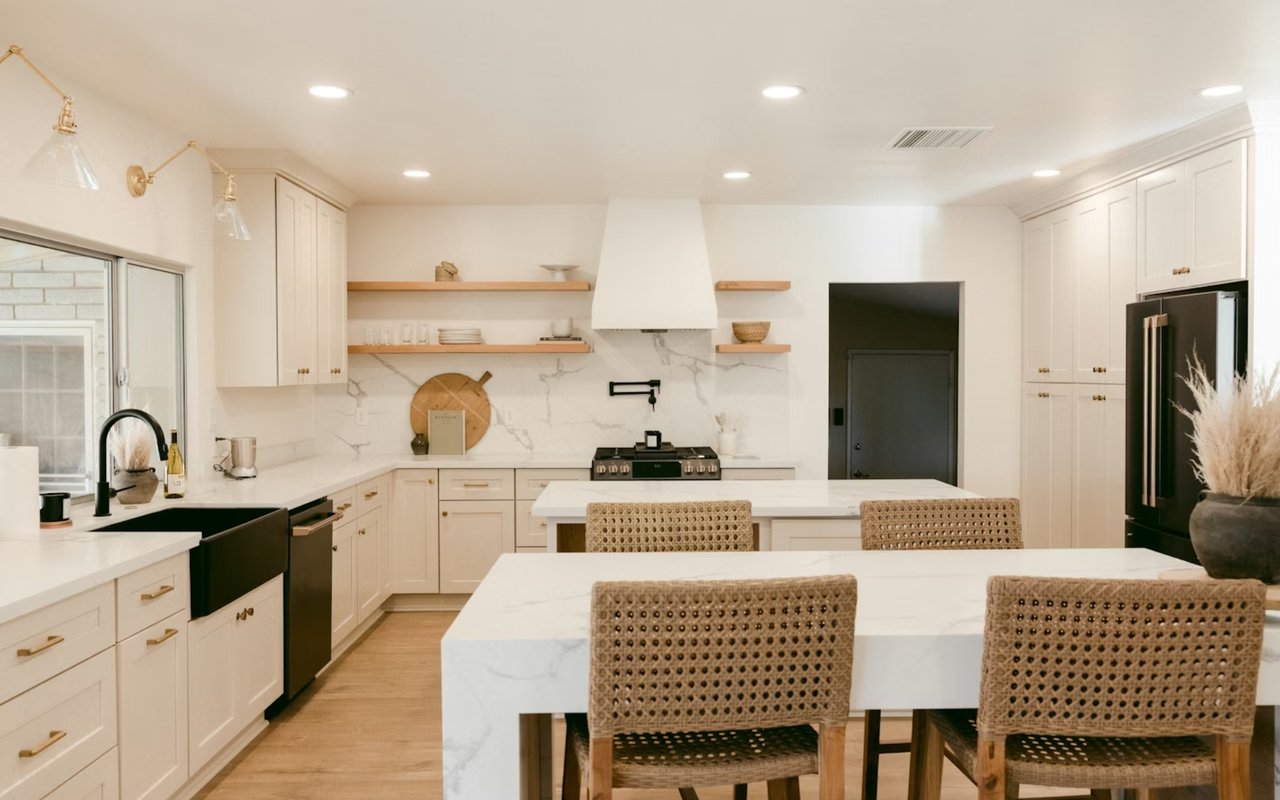
"Move-in ready" appears in more listing descriptions than almost any other phrase in real estate — and it means something different to nearly every seller who uses it. We work with buyers across Holmdel, Colts Neck, Rumson, and Red Bank who have walked into homes advertised as move-in ready and found anything from genuinely turnkey properties to houses that needed $50,000 in work before they'd be comfortable to live in. Understanding what the term actually requires — and what it doesn't — is one of the more practical things a buyer in this market can know.
Key Takeaways
- "Move-in ready" has no legal definition in real estate — it is a marketing term with wide interpretation
- A true move-in ready home meets functional, structural, and habitability standards, not just cosmetic ones
- In Monmouth County's competitive market, move-in-ready homes attract multiple offers and sell fast
- Whether move-in ready is right for you depends on your timeline, budget, and tolerance for renovation management
What "Move-In Ready" Actually Requires
From a purely functional standpoint, a move-in ready home is one where new owners can occupy the property immediately after closing without needing significant repairs or immediate work on major systems. That means the roof has meaningful life remaining, HVAC and plumbing are operational, electrical systems are safe and up to code, windows and doors function correctly, and there are no structural issues that would compromise habitability.
What it does not require: new finishes, updated appliances, or design choices aligned with current trends. A home with original 1990s tile, dated countertops, and older-generation light fixtures can still qualify as move-in ready if all systems work and the structure is sound. The distinction matters, because buyers who conflate "move-in ready" with "fully renovated" will find themselves disappointed by properties that are genuinely habitable but not aesthetically updated.
What it does not require: new finishes, updated appliances, or design choices aligned with current trends. A home with original 1990s tile, dated countertops, and older-generation light fixtures can still qualify as move-in ready if all systems work and the structure is sound. The distinction matters, because buyers who conflate "move-in ready" with "fully renovated" will find themselves disappointed by properties that are genuinely habitable but not aesthetically updated.
The conditions a home must meet to be legitimately move-in ready:
- Roof with a meaningful portion of its useful life remaining (not within three to five years of replacement)
- HVAC system in working order and recently serviced
- Electrical system that is safe, code-compliant, and sufficient for the home's size
- Plumbing free of active leaks, corrosion, or outdated materials requiring replacement
- No active water intrusion, mold, or structural issues in the foundation or framing
How Monmouth County's Market Shapes the Move-In Ready Premium
In Monmouth County's current market, move-in-ready homes carry a real premium and attract faster and more competitive interest than properties needing work. With inventory at a 1.79-month supply as of spring 2026 and homes going to pending in as few as 20 days, buyers who find a genuinely turnkey property in Rumson, Holmdel, or Colts Neck often face competition. That demand is real and it is priced in.
At the same time, competition for move-in-ready homes means that buyers sometimes pay a premium for properties that are presented as ready but carry deferred maintenance that a thorough inspection would surface. The marketing term and the actual condition of a home are two separate things — and in a fast-moving market, the pressure to act quickly can make it tempting to skip the verification step. That is always a mistake.
At the same time, competition for move-in-ready homes means that buyers sometimes pay a premium for properties that are presented as ready but carry deferred maintenance that a thorough inspection would surface. The marketing term and the actual condition of a home are two separate things — and in a fast-moving market, the pressure to act quickly can make it tempting to skip the verification step. That is always a mistake.
Signs a "move-in ready" home may need a closer look:
- Freshly painted walls or new flooring that could be concealing condition issues underneath
- An HVAC or water heater that is functional but approaching end of expected lifespan
- A roof that is original to the home and has not been replaced within 15 to 20 years
- A basement or crawl space that wasn't part of the showing
Who Should Prioritize Move-In Ready Homes
Move-in ready properties make the most sense for buyers who are on a firm timeline, managing a simultaneous sale and purchase, relocating from out of state, or simply not in a position to manage a renovation project while living in or financing the home. These buyers are paying for predictability — the ability to move in, settle, and not manage contractors for the first year of ownership.
Move-in ready homes also tend to resell well, because broad buyer appeal is built into their condition. A home that is functional, neutral, and requires no immediate work attracts a wider pool of buyers than one that needs work, which typically means stronger resale performance over time.
Move-in ready homes also tend to resell well, because broad buyer appeal is built into their condition. A home that is functional, neutral, and requires no immediate work attracts a wider pool of buyers than one that needs work, which typically means stronger resale performance over time.
Buyers who benefit most from move-in-ready properties:
- Buyers relocating to Monmouth County who cannot manage renovation logistics from a distance
- Families with a hard move-in date tied to a lease end or school enrollment
- First-time buyers who want to understand their home's systems before taking on projects
- Buyers who want to preserve cash reserves after closing rather than deploy them immediately
When a Home That Needs Work Can Be the Better Choice
For buyers with flexibility, a home that needs work in a desirable Monmouth County neighborhood can be a strong buy. Properties in Holmdel, Colts Neck, and Rumson that require updating often come in at a price that reflects the work needed — and in communities where land and location values are high, doing the renovation yourself can build equity faster than buying turnkey.
The risks are real: renovation costs in New Jersey run 15 to 25% above national averages, timelines extend, and managing contractors while living in a construction zone is genuinely disruptive. Buyers who go this route should have a clear scope, a realistic budget with a contingency reserve, and ideally a pre-purchase inspection that surfaces all major issues before they close.
The risks are real: renovation costs in New Jersey run 15 to 25% above national averages, timelines extend, and managing contractors while living in a construction zone is genuinely disruptive. Buyers who go this route should have a clear scope, a realistic budget with a contingency reserve, and ideally a pre-purchase inspection that surfaces all major issues before they close.
Questions to ask before buying a property that needs work:
- What is the total estimated cost to bring this property to the condition I want?
- Can I live in the home during the renovation, or will I need to carry both housing costs and renovation costs simultaneously?
- Does the post-renovation value in this neighborhood justify the purchase price plus renovation cost?
- Am I buying a fixable property or one with structural or environmental issues that complicate the renovation?
FAQs
How do I verify that a home is actually move-in ready and not just marketed that way?
Hire a licensed home inspector before removing your inspection contingency, regardless of how a property is described in the listing. A thorough inspection covers the roof, HVAC, plumbing, electrical, foundation, and visible structural elements. For older homes, a separate radon test and a review of the electrical panel are both worth doing.
Does "move-in ready" mean the home has been recently renovated?
No — and this is one of the most common misunderstandings. A home can be move-in ready with original finishes that are decades old, as long as all systems are functional and the property is structurally sound. Conversely, a recently renovated home may not be move-in ready if the renovation left major systems untouched and those systems are at or near end of life.
In Monmouth County's market, is it worth paying a premium for a move-in-ready home?
For most buyers, yes — particularly those on a defined timeline or managing other competing priorities. The premium reflects reduced near-term cost, predictable budgeting, and faster occupancy. That said, the premium should be grounded in comparable data: what similar move-in-ready homes in the same neighborhood have sold for recently is the right benchmark, not the seller's asking price alone.
Buy Your Next Home in Monmouth County With Ten Hoeve Advisory
Whether you're weighing a turnkey property against one that needs work, or trying to decode what a listing description actually means, our team helps buyers across Holmdel, Rumson, Colts Neck, and Red Bank make informed decisions at every step of the process.
Reach out to us to learn more about how we help buyers find and evaluate the right homes across Monmouth County.
Reach out to us to learn more about how we help buyers find and evaluate the right homes across Monmouth County.