By Ten Hoeve Advisory
We've walked through hundreds of New Jersey homes with buyers who were ready to make an offer — and the ones who protected themselves best were always the ones who took the home inspection seriously. In a market where properties move fast and competition is real, it can be tempting to treat the inspection as a formality. It's not. In New Jersey specifically, the inspection phase carries legal weight, environmental nuance, and negotiating power that buyers shouldn't leave on the table.
Key Takeaways
- A home inspection before buying is not legally required in New Jersey, but skipping it is one of the most costly mistakes a buyer can make
- New Jersey has state-specific inspection concerns — radon, underground oil tanks, wood-destroying insects — that go beyond a standard general inspection
- The inspection period is your primary window for negotiation after going under contract
- Hiring the right inspector and attending the inspection in person makes a significant difference
Why a Home Inspection Before Buying Matters in New Jersey
New Jersey's housing stock is older and more varied than most states. Shore towns like Long Branch, Asbury Park, and Sea Bright carry moisture-related risks from decades of salt air exposure. Older inland communities in Monmouth and Bergen counties often have homes with aging electrical systems, HVAC equipment past its useful life, or original plumbing that hasn't been touched in 50 years. What you see in a staged, freshly painted listing rarely reflects what's behind the walls.
A licensed home inspector provides a non-invasive, top-to-bottom evaluation of the property — covering structural components, mechanical systems, roofing, windows, insulation, and more. The inspection typically runs two to four hours depending on the size of the home. A written report follows, and that report becomes the foundation of any repair negotiation you bring to the seller.
What a Standard New Jersey Home Inspection Covers
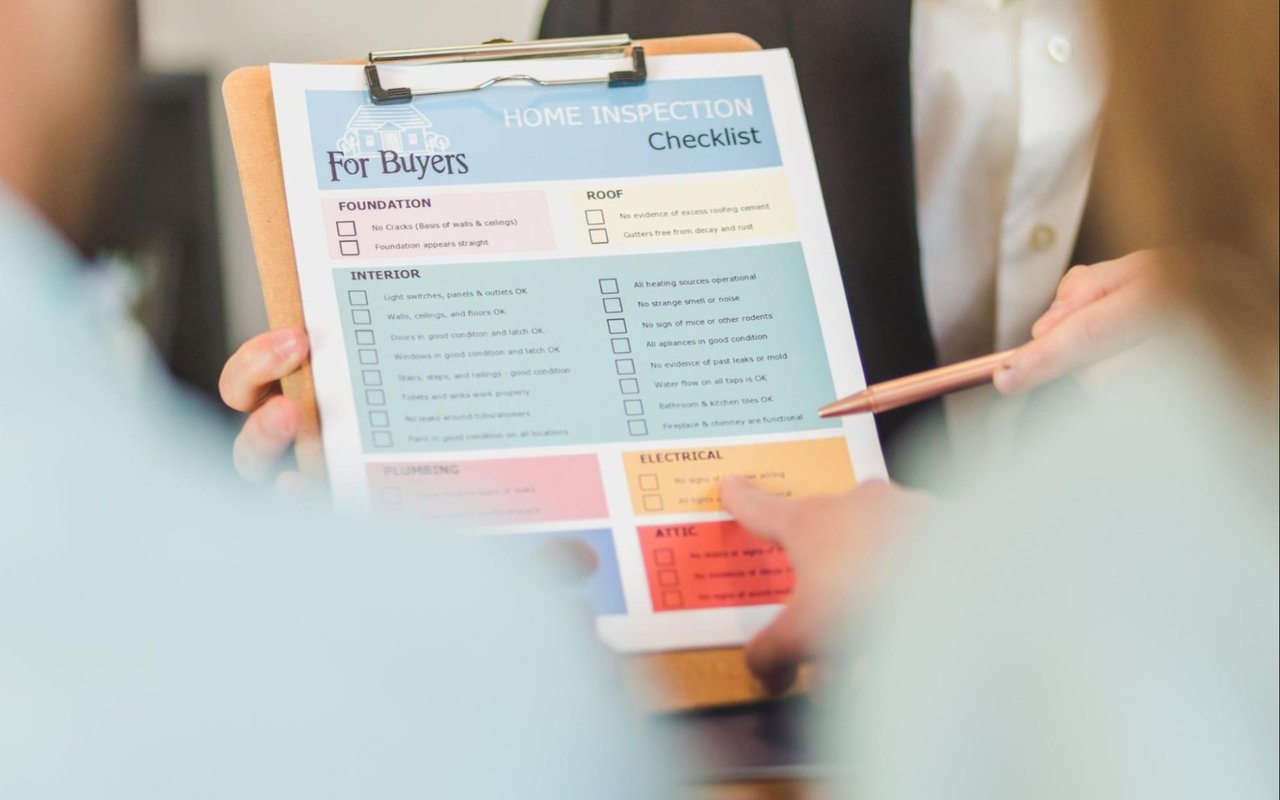
- Foundation, structural walls, and visible framing
- Roof condition, attic ventilation, and insulation
- Electrical panel, outlets, and visible wiring
- Plumbing systems, fixtures, and water heater
- HVAC systems — heating, cooling, and ductwork
- Windows, doors, and exterior siding
- Drainage, grading, and water intrusion risk
The New Jersey-Specific Inspections You Should Not Skip
Beyond the general home inspection, New Jersey buyers need to account for a cluster of state-specific issues that are common enough in this market to treat as standard due diligence.
The Four Add-On Inspections Worth Every Dollar
- Radon testing: New Jersey has elevated radon concentrations, particularly in the northern counties. The EPA recommends mitigation if levels exceed 4.0 pCi/L. This is a routine point of contract negotiation and a manageable fix — but only if you know about it first
- Wood-destroying insect inspection: Most lenders require a clean WDI certificate before issuing a mortgage. Termites, carpenter ants, and carpenter bees are active threats in older New Jersey homes
- Underground oil tank sweep: Older New Jersey homes often have abandoned underground oil tanks. A leak can result in six-figure environmental cleanup costs. This scan is non-negotiable when purchasing a pre-1980s property
- Well and septic inspection: New Jersey law requires well water testing before closing on properties with private wells. If there's a septic system, lenders typically require inspection as a loan condition
How the Inspection Fits Into the New Jersey Buying Timeline
New Jersey real estate operates under a three-day attorney review period after both parties sign a contract. Attorney review is when your lawyer can modify or cancel the contract without consequence. Once attorney review concludes, you typically have seven to fourteen days to complete your inspections and submit a repair request letter.
How Buyers Use Inspection Results to Negotiate
- Requesting the seller fix specific items through a licensed contractor before closing
- Negotiating a closing credit in place of repairs — often preferred so buyers control the work quality
- Exercising the inspection contingency to cancel the contract if major defects are found
- Identifying deferred maintenance items to factor into your long-term ownership budget
The inspection is not a list of demands — it's leverage applied strategically. The strongest repair requests are focused on structural integrity, safety hazards, and major mechanical failures. Cosmetic wear is generally left to the buyer. Your attorney manages the formal repair request letter and any resulting negotiation.
Choosing the Right Inspector in New Jersey
New Jersey has licensed home inspectors under the Home Inspection Professional Licensing Act, which sets educational and experience requirements. A licensed inspector is the baseline — the differentiator is their depth of knowledge, their communication style, and whether they follow state-mandated standards of practice.
What to Look for When Hiring a Home Inspector
- Active New Jersey license with verifiable credentials
- Willingness to spend a full two to four hours on-site
- A detailed narrative report with photos, not a checklist
- Experience with the specific property type — shore homes, historic colonials, new construction, and multi-family properties each carry different risks
- Membership in a professional association that requires continuing education
Attend the inspection in person. Reading a report is not the same as walking through the home with the inspector. Being present lets you ask questions in real time and understand which findings are serious versus minor.
FAQ
Is a home inspection required when buying a house in New Jersey?
No — New Jersey law does not require a home inspection before purchase. However, most lenders require specific inspections, including wood-destroying insect certification, and buyers who skip inspections take on significant financial risk for unknown defects.
How much does a home inspection cost in New Jersey?
A standard general home inspection typically costs between $325 and $600 depending on the size and location of the property. Add-on inspections — radon, oil tank sweep, WDI — carry additional fees but are modest relative to the protection they provide.
What happens if the inspection uncovers serious problems?
Buyers have several options: request repairs before closing, negotiate a credit, or cancel the contract under the inspection contingency if the issues are severe enough. Your real estate attorney manages this process and submits the formal repair request to the seller's side.
Work With New Jersey Buyers Who Know What to Look For
The inspection phase is where inexperienced buyers lose money and experienced teams protect it. At Ten Hoeve Advisory, we've guided clients through inspections on shore homes, historic estates in Rumson and Colts Neck, and everything in between. We know which issues to push on and which to let go. Reach out to us to learn more about how we protect buyers through every step of the New Jersey purchase process.